
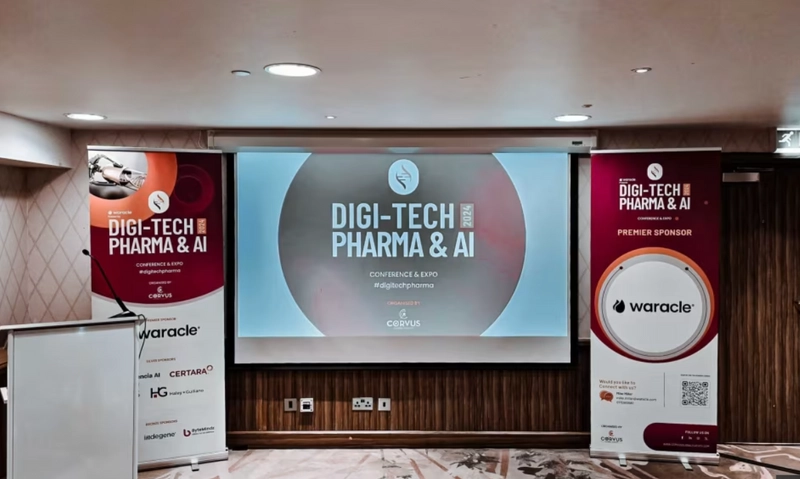

Exploring the Future of Pharma: Annual Digi-Tech Pharma & AI Conference
The Annual Digi-Tech Pharma & AI Conference is quickly becoming one of the most influential gatherings for professionals aiming to shape the future of pharmaceutical and healthcare industries. Focused on the seamless integration of digital technologies in pharma, the event is a melting pot of innovation, collaboration, and real-world application. From data science breakthroughs to AI-driven clinical trials, this conference is redefining the pace and precision of healthcare solutions.
With an emphasis on machine learning, artificial intelligence, and real-world data, the conference offers not just a stage for thought leadership but also a roadmap for transformation. This unique environment brings together pharmaceutical executives, healthcare regulators, biotech pioneers, and digital solution providers, allowing them to collectively explore how emerging technologies are transforming traditional practices.
How Technology Is Rewriting the Rules of Drug Discovery
Pharmaceutical R&D has always been a field where time and precision hold critical value. Thanks to the rise of AI and deep learning models, drug discovery today is more targeted, efficient, and predictive than ever before. These innovations help researchers analyze massive datasets, identify molecular targets faster, and even predict patient responses with higher accuracy.
Key technological contributions include:
Predictive analytics for disease modeling
Natural language processing to extract insights from clinical literature
Automated hypothesis generation from vast data pools
AI-powered simulations to test drug efficacy and side effects
This has drastically reduced the traditionally long timelines of drug development, bringing effective therapies to market faster and with greater confidence.
Real-World Data and the Shift to Patient-Centric Models
One of the most important discussions during the Digi-Tech Pharma & AI Conference revolves around the adoption of real-world evidence (RWE) and patient-centric approaches. With data streaming in from wearable devices, health apps, and electronic medical records, pharma companies are now equipped to personalize treatments and improve health outcomes.
Benefits of real-world data integration:
Enhanced understanding of patient journeys
Improved drug adherence tracking
More relevant clinical trial designs
Streamlined regulatory submissions
Real-world insights not only bridge the gap between clinical efficacy and practical outcomes but also support a more inclusive approach to healthcare, accommodating the diversity of patients' experiences and backgrounds.
Collaborative Innovation: Building the Future Together
Digital transformation in pharma cannot be realized in silos. The conference encourages collaborative innovation, promoting partnerships between tech firms, research institutions, and regulatory bodies. These alliances are vital for scaling up successful pilots and ensuring compliance with healthcare regulations.
Key themes of collaboration include:
Cross-sector partnerships for AI validation
Joint ventures on decentralized clinical trials
Unified data-sharing protocols
Ethical frameworks for AI deployment in health
Through interactive sessions and expert-led panels, the event provides practical strategies for establishing these connections and fostering a culture of continuous learning.
From IoT to Blockchain: The Tech Behind the Scenes
The Annual Digi-Tech Pharma & AI Conference also sheds light on underlying technologies that are quietly transforming operations across the pharmaceutical value chain. While AI and big data grab headlines, a range of other tools are proving equally transformative.
Emerging technologies gaining momentum:
Internet of Things (IoT): For real-time patient monitoring and connected devices
Cloud computing: To support scalable data processing
Blockchain: For secure and transparent drug supply chains
Augmented and Virtual Reality: To enhance training and visualize complex data
Each of these technologies plays a unique role in the digital transformation of the pharmaceutical industry, providing new avenues for process optimization and patient engagement.
Data Management: Speed, Scale, and Security
As the volume of health-related data continues to explode, data management becomes both a challenge and an opportunity. Enhanced systems for data integration and governance are now critical to ensure that information is not only accurate but also actionable.
Modern data management practices focus on:
Unified data platforms for seamless integration
AI-driven data cleansing for improved accuracy
Enhanced cybersecurity to protect sensitive information
Regulatory compliance with GDPR and HIPAA standards
These practices are essential for enabling faster, safer, and more efficient clinical research, setting new standards in how pharmaceutical companies handle and utilize data.
Looking Ahead: What's Next for Digi-Tech Pharma & AI?
Now in its fourth edition, the Annual Digi-Tech Pharma & AI Conference has grown into a global hub of knowledge exchange and innovation. Its agenda reflects the rapidly evolving needs of the industry — from policy shifts and ethical AI to the scaling of digital health tools.
In the years ahead, we can expect:
Greater use of synthetic data in clinical trials
Expansion of AI in pharmacovigilance
Increased adoption of mobile-first health solutions
Broader international cooperation on digital health standards
The event continues to serve as a catalyst for change, ensuring that the pharmaceutical industry remains agile, informed, and responsive in an era of digital disruption.
Why This Conference Matters
The Digi-Tech Pharma & AI Conference is more than just a yearly meet-up; it is a movement toward redefining the relationship between technology and medicine. By showcasing real-world applications, facilitating expert dialogues, and nurturing partnerships, it provides all the tools necessary for companies to embrace innovation and transform healthcare delivery.
With AI, big data, and patient-centric design leading the charge, the future of pharma is not just digital — it’s intelligent, adaptive, and human-centered.