Smarter Mobility Africa Summit: Shaping the Future of Transport Through Innovation and Integration
In a rapidly urbanizing world, the way we move people and goods across cities and regions is undergoing a revolutionary shift. Smarter Mobility Africa summit understands the opportunities that come from an integrated mobility offering, and it serves as a beacon for what modern, inclusive, and sustainable transportation should look like across the continent. Taking place annually in Johannesburg, this event is not just another conference — it is a transformative experience that bridges the gap between policy, innovation, and the daily challenges of urban mobility in Africa.
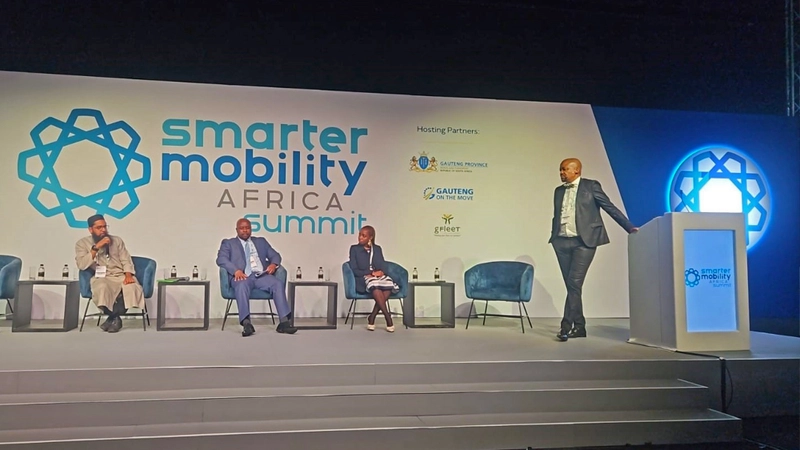
At the core of this summit lies the vision of inclusive transport systems, embracing technology, policy reform, and people-first planning. The event brings together a powerful coalition of public and private stakeholders, including Gautrain, SANTACO, City of Johannesburg, Johannesburg Roads Agency (JRA), and Lusaka City Council. These institutions are collectively shaping a new narrative for African mobility — one where local needs, regional dynamics, and global sustainability goals converge.
Inspiring Leadership: From the Streets to the Stage
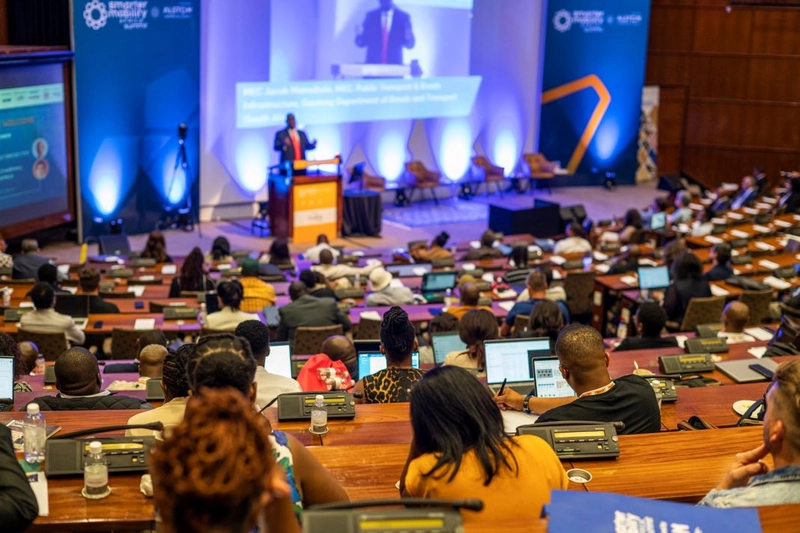
One of the most anticipated highlights of the summit is the keynote address by Mr. Motlhabane Abnar Tsebe, the President of SANTACO (South African National Taxi Council). His personal journey — from a minibus taxi driver navigating Johannesburg’s busy streets to becoming a national leader — is a powerful symbol of transformation and empowerment. It also mirrors the evolution of the minibus taxi industry itself, which has long been a cornerstone of African transport.
A Voice for Millions
Mr. Tsebe’s keynote is expected to:
Celebrate innovation within the minibus taxi sector.
Highlight the importance of formalizing and regulating informal transport.
Emphasize the role of local leadership in transport transformation.
Encourage government collaboration with grassroots operators.
His leadership underscores the summit’s broader mission — to elevate those who have long been excluded from transport policy discussions and place them at the center of the mobility conversation.
Connecting Stakeholders Across Borders
Africa’s transport ecosystem is complex and diverse, but the challenges faced across countries often echo similar themes: congestion, poor infrastructure, lack of integration, and inadequate investment. The Smarter Mobility Africa Summit serves as a unifying platform where urban planners from Lusaka can sit alongside Johannesburg tech entrepreneurs and exchange valuable insights.
Key participating institutions include:
Gautrain – showcasing high-speed rail innovation and infrastructure planning.
SANTACO – advocating for minibus taxi formalization and sector upliftment.
City of Johannesburg – presenting urban development and transport integration projects.
JRA (Johannesburg Roads Agency) – offering data on smart road systems and maintenance.
Lusaka City Council – sharing perspectives on cross-border transport planning and urban mobility challenges.
Key Themes and Focus Areas at the Summit
This year’s summit revolves around a dynamic agenda that aligns with Africa’s pressing transport issues while pointing toward global best practices.
Core themes include:
Integrated mobility platforms
Smart infrastructure and city design
Clean energy solutions in transport
Digital transformation in public mobility
Public-private partnerships in infrastructure development
Youth and women in mobility leadership
Each of these themes is not only discussed theoretically but is supported by real-world case studies, panel discussions, and immersive exhibits.
Why the Minibus Taxi Sector Matters
In many African cities, minibus taxis are the backbone of public transport, serving millions of commuters daily. Despite their importance, the sector remains under-regulated, underfunded, and often overlooked in high-level planning. At this year’s summit, attention is being turned toward:
Digital payment integration
Fleet modernization
Driver training and safety programs
Infrastructure (e.g., taxi ranks and lanes)
Environmental concerns, such as emissions
This sector’s transformation is crucial to achieving equitable and sustainable urban mobility in Africa.
Driving Innovation Through Collaboration
Smarter Mobility Africa Summit is not just about discussion — it’s about action. The event is designed to stimulate partnerships that lead to practical outcomes.
Examples of impactful collaborations:
Tech startups partnering with local transport authorities to pilot real-time transit apps.
International NGOs collaborating with SANTACO to improve transport access in rural areas.
City planners working with climate experts to design low-emission transport corridors.
Such multi-sectoral partnerships are vital for transforming mobility into a driver of economic inclusion, climate resilience, and social equity.
Looking Ahead: Vision 2030 and Beyond
As African cities grow, mobility challenges will only intensify. That’s why the Smarter Mobility Africa Summit plays such a crucial role in shaping long-term solutions. With the African Union’s Agenda 2063 and various Vision 2030 frameworks guiding national development strategies, transportation will remain a critical enabler of inclusive growth.
Among the expected future outcomes from the summit are:
Policy reforms supporting integrated mobility frameworks
Greater investment in sustainable transport infrastructure
Scaling of micro-mobility and last-mile connectivity solutions
Enhanced data-sharing between municipalities and the private sector
More Than a Summit, a Movement for Change
In many ways, Smarter Mobility Africa Summit is redefining what it means to build sustainable, accessible, and intelligent transport systems. By bringing together a wide range of stakeholders — from government officials to grassroots leaders, from global tech innovators to local taxi associations — the summit fosters a holistic understanding of the transport ecosystem in Africa.
It’s a space where innovation is matched with empathy, where policy meets practice, and where the stories of individuals like Mr. Motlhabane Abnar Tsebe remind us that real transformation starts from the ground up.
As Africa stands at the crossroads of urban expansion and technological advancement, platforms like this summit are essential for steering the continent toward a smarter, more inclusive mobility future.